
Judge the table while it is being used
A dining table footprint shows only part of the space involved. Pull out the chairs, sit down, stand up and trace the route people use to enter or leave the dining area.
If the room becomes difficult only during meals, active-use space may be the real issue rather than the table’s static dimensions.
Identify the specific conflict
Does a chair hit a wall or another piece of furniture? Does someone block the main route while seated? Does the table interfere with a doorway or make serving difficult? Record the actual event before deciding that the table is too large.
A local conflict on one side can matter more than unused space elsewhere.
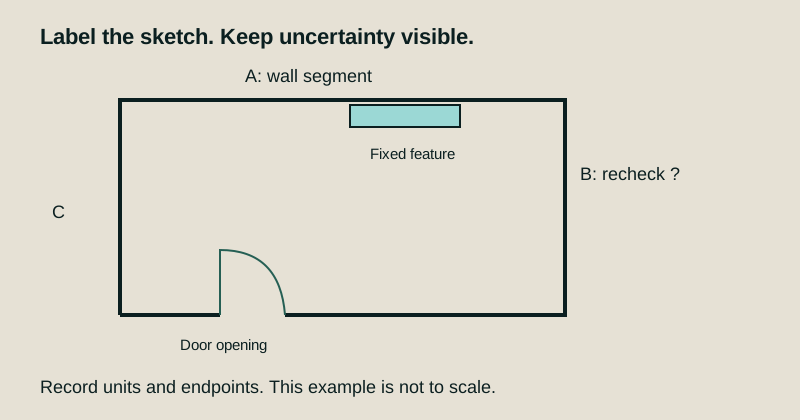
Separate table size from table position
Before replacing the table, compare another orientation or position where practical. Rotating a rectangular table or shifting it away from one route can change how chairs and people use the surrounding floor.
Then check the trade-off: a clearer route on one side may make another seat or opening less convenient.
Include every chair you genuinely use
A layout that works with two chairs may fail when four or six are occupied. Test the number of seats used in ordinary life rather than only the most spacious configuration.
If extra chairs are occasional, compare the everyday arrangement with the larger arrangement separately instead of forcing one permanent setup to optimize both.
Measure the active constraint
Measure the table footprint and the specific route, wall gap or opening that matters. Include chair movement where it affects the decision. For a possible replacement, use the manufacturer’s actual table dimensions and consider how the chosen chairs behave around it.
Check the room beyond the table
In open-plan spaces, the conflict may come from the relationship between dining and living zones rather than the table alone. Use the open-plan living/dining guide when the table competes with a sofa, circulation route or another activity.
Before buying a smaller replacement
Write down exactly what the smaller table should improve. Then compare that expected gain with lost seating or surface area. The pre-purchase furniture-fit guide helps turn that reason into a concrete check before ordering.