
Use the bed frame dimensions, not only the mattress
Two beds with the same mattress size can occupy different amounts of floor because frames, headboards and footboards vary. Use the dimensions of the exact bed or frame you are considering.
If you have not selected a product yet, compare realistic frame footprints rather than assuming the mattress dimensions are the finished size.
Mark the few viable bed positions
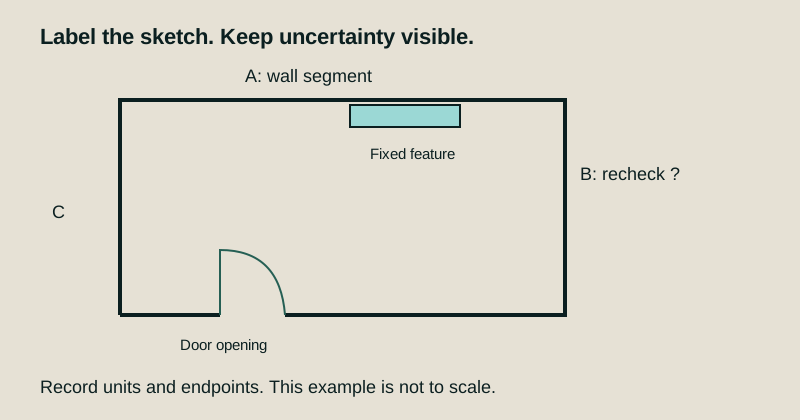
Sketch the doors, windows, built-ins and storage first. Then place each candidate bed footprint in the positions the room can realistically support.
A larger bed may fit in one orientation while making wardrobe access or the route from the door awkward.
Check access where it matters to you
Consider who uses each side of the bed, how bedding is changed, and whether drawers, wardrobes or bedside storage must open nearby. Do not rely on one universal clearance number as proof that a particular size is suitable.
Use the actual activities in the room as the test.
Compare the larger bed with what it displaces
Moving up one bed size may remove space for a desk, bedside unit, chair or wider route. Write down what disappears or becomes harder before deciding that the extra sleeping width is worth the trade-off.
Test the room at its narrowest point
The deciding constraint may be one local gap between the bed and another object rather than the overall room dimensions. Measure that point carefully and keep the units and endpoints clear.
Use the measurement guide when a small dimensional difference could change the decision.
Check the delivery path separately
A bed or mattress that fits the room may still be difficult to deliver. Confirm the supplier’s packaging and handling requirements, especially for rigid frames or large mattresses.
Delivery fit and room fit are separate checks.
Choose the size after the layout works
If the larger option causes repeated conflicts, compare a smaller bed in the same room rather than assuming other furniture must shrink around it. The small-bedroom guide can help assess the complete room.