
Define what the desk needs to support
List the equipment and activities the desk must handle: laptop, monitors, writing, storage, printer or occasional work only. A smaller desktop is useful only if it still supports the task you need it for.
Measure the working footprint
Record the desk width and depth, then include the chair position and the space used when sitting down or standing up. If drawers or cabinet doors open into the same area, include them too.
This active footprint is usually more useful than the desktop dimensions alone.
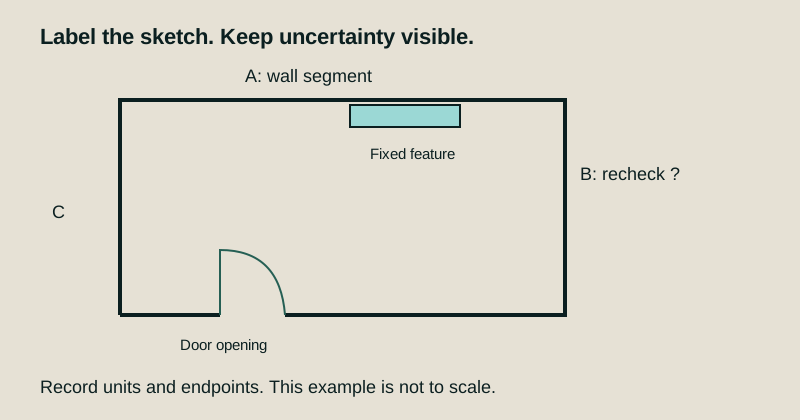
Check the route behind and beside the chair
If people need to pass behind the chair, observe what happens when someone is actually seated. A route that looks open when the chair is pushed in may disappear during normal use.
In a bedroom, also check the route between the bed, wardrobe and door.
Check doors, windows and outlets
Make sure the desk position does not prevent a door, window or storage unit from working as intended. Treat power and cable needs as practical constraints, but follow appropriate electrical guidance rather than improvising unsafe cable arrangements.
Compare a smaller desk with another position
Before buying a narrower desk, test whether another orientation would solve the same route conflict. A position change may preserve useful workspace without reducing the desk itself.
Record the trade-off, such as daylight, storage access or the route to another part of the room.
Measure the deciding gaps
Measure the wall segment, chair route or opening that determines whether the desk works. If one dimension remains uncertain, resolve it before ordering.
The furniture-fit guide provides the broader pre-purchase check.
When the room has too many jobs
If the bed, storage and desk all compete for the same limited floor area, the issue may be the room’s combined workload rather than the desk alone. Use the small-bedroom guide to rank the activities before changing furniture.