
Start with the decision you are trying to make
Do not begin by measuring every wall. Start with the item you are considering and the place it may go. Write down what must be true for the purchase to work: it needs to reach the room, occupy the intended position and leave the room usable in normal use.
Those are three different checks. Keeping them separate makes it easier to see which measurement actually matters.
Measure the item and the intended position
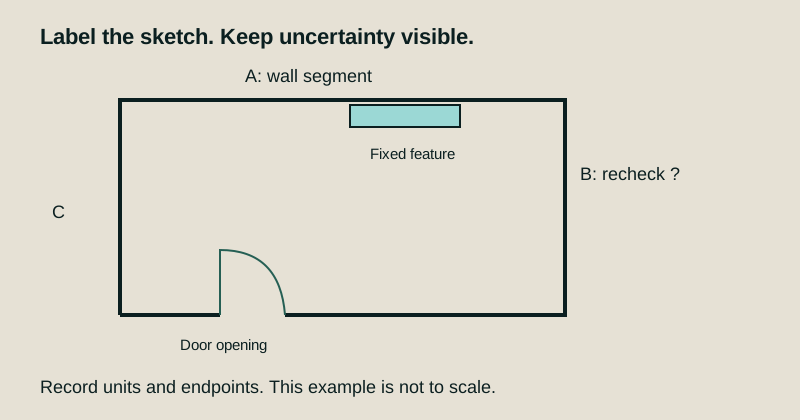
Use the manufacturer's actual dimensions where available. Record width, depth and height, including arms, handles, overhangs or other parts that affect placement. Then measure the wall segment, floor area or opening that constrains the intended position.
Do not assume a product photo or nominal size tells you the full footprint. If a dimension is uncertain, mark it as uncertain and recheck it before buying.
Include active-use space
Furniture occupies more than its resting footprint when people use it. Chairs pull out, drawers open, recliners extend and people need somewhere to stand, sit down and pass.
Observe the activity around the proposed position and measure the part that could create a conflict. A technically fitting item can still make the room difficult to use.
Measure fixed features that can change the decision
Doors, windows, radiators, vents, outlets, skirting, alcoves and built-ins may limit where an item can sit or how it can be used. Record only the features relevant to the placement you are testing.
If a door or drawer moves through the same area, check it in the open position as well as closed.
Check the delivery route separately
The final room is only one part of the journey. Doorways, hallways, stair turns, lifts and packaging can prevent an item from reaching a position that would otherwise work.
Use the supplier's handling and packaged-dimension information when available. If the route is close or complicated, confirm uncertain requirements with the seller or delivery provider rather than relying on a rough guess.
Use the measurements to compare options
Once the critical dimensions are recorded, compare the proposed item with the current room and with any realistic alternative. Note what improves and what becomes harder.
If the item is still uncertain, tape or mark its footprint where practical, or use Livometry Space Check to reason from the room problem before committing to a purchase.